Ideas I return to

Bookshelf

Books and ideas that have shaped how I lead, build teams, and think about work.

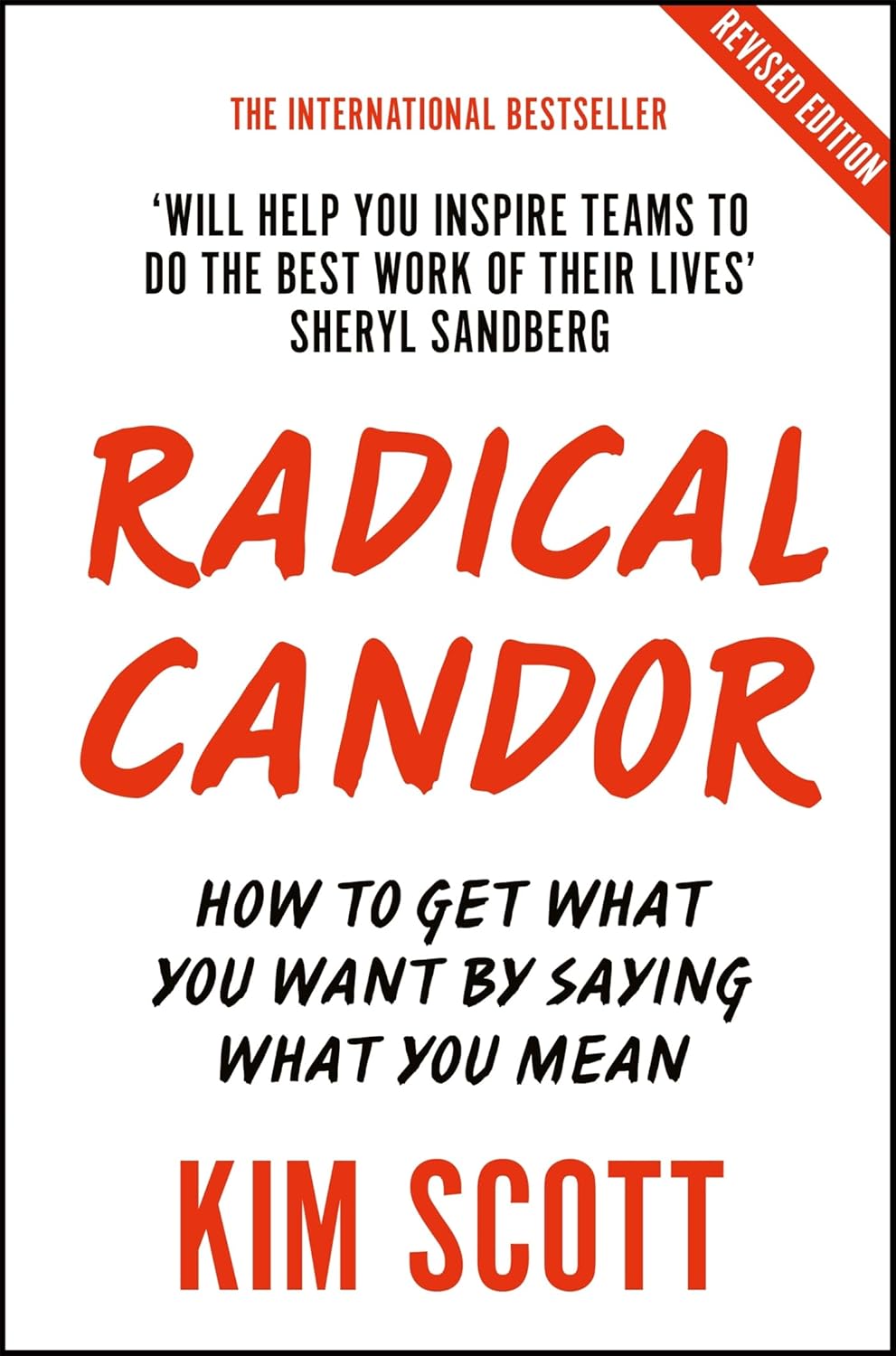
Book cover for Radical Candor

Radical Candor

Kim Scott

What it's about

A practical framework for leading with both honesty and humanity. Kim Scott argues that effective managers should care personally about their people while challenging them directly, avoiding both unhelpful politeness and needless aggression.

What I took from it

This gave me a clear language for the leadership style I value most: building enough trust in both directions to have direct, useful conversations. Candor works best when people understand that challenge comes from genuine care for them, the team, and the outcome.

Book cover for Be More Pirate

Be More Pirate

Sam Conniff Allende

What it's about

A call to challenge outdated rules and create fairer, more effective alternatives. Drawing lessons from the Golden Age of piracy, Sam Conniff Allende explores purposeful rebellion, rewriting rules, building crews, and turning dissatisfaction into action.

What I took from it

This helped shape my belief in conscientious rule-breaking: understanding why a rule exists, then being willing to challenge or replace it when it creates more friction than value. Good leadership is not passive compliance; it is taking responsibility for making the system better. It also led to creating my own "pirate code".

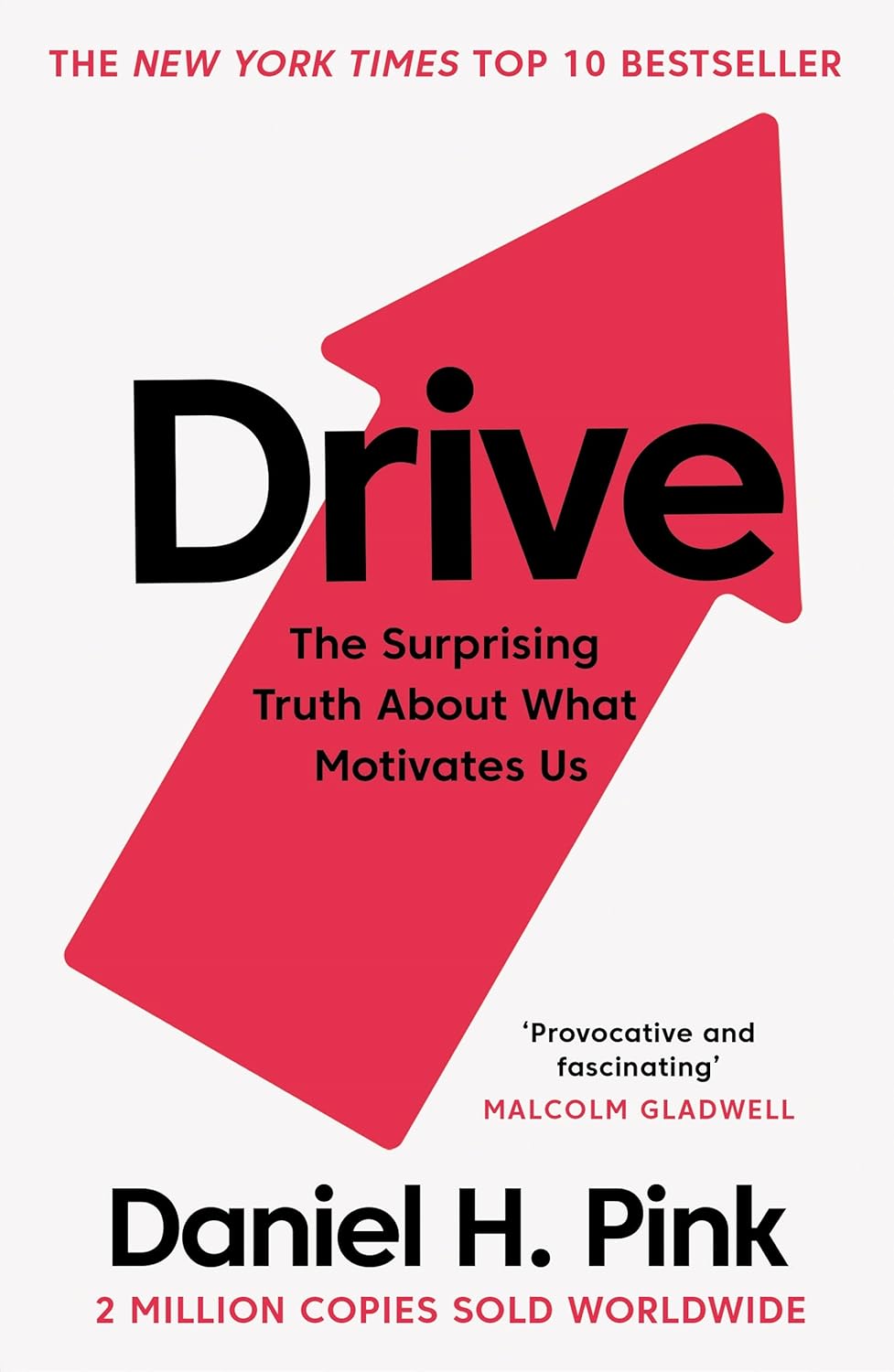
Placeholder cover for Drive

Drive

Daniel H. Pink

What it's about

An exploration of what motivates people doing complex and creative work. Daniel H. Pink argues that lasting motivation is driven less by rewards and punishments and more by autonomy, mastery, and purpose.

What I took from it

It reinforced that sustainable performance comes from creating the right conditions, not applying more pressure. I try to give teams meaningful autonomy, support people in developing mastery, and connect everyday decisions to a purpose they can understand and influence.

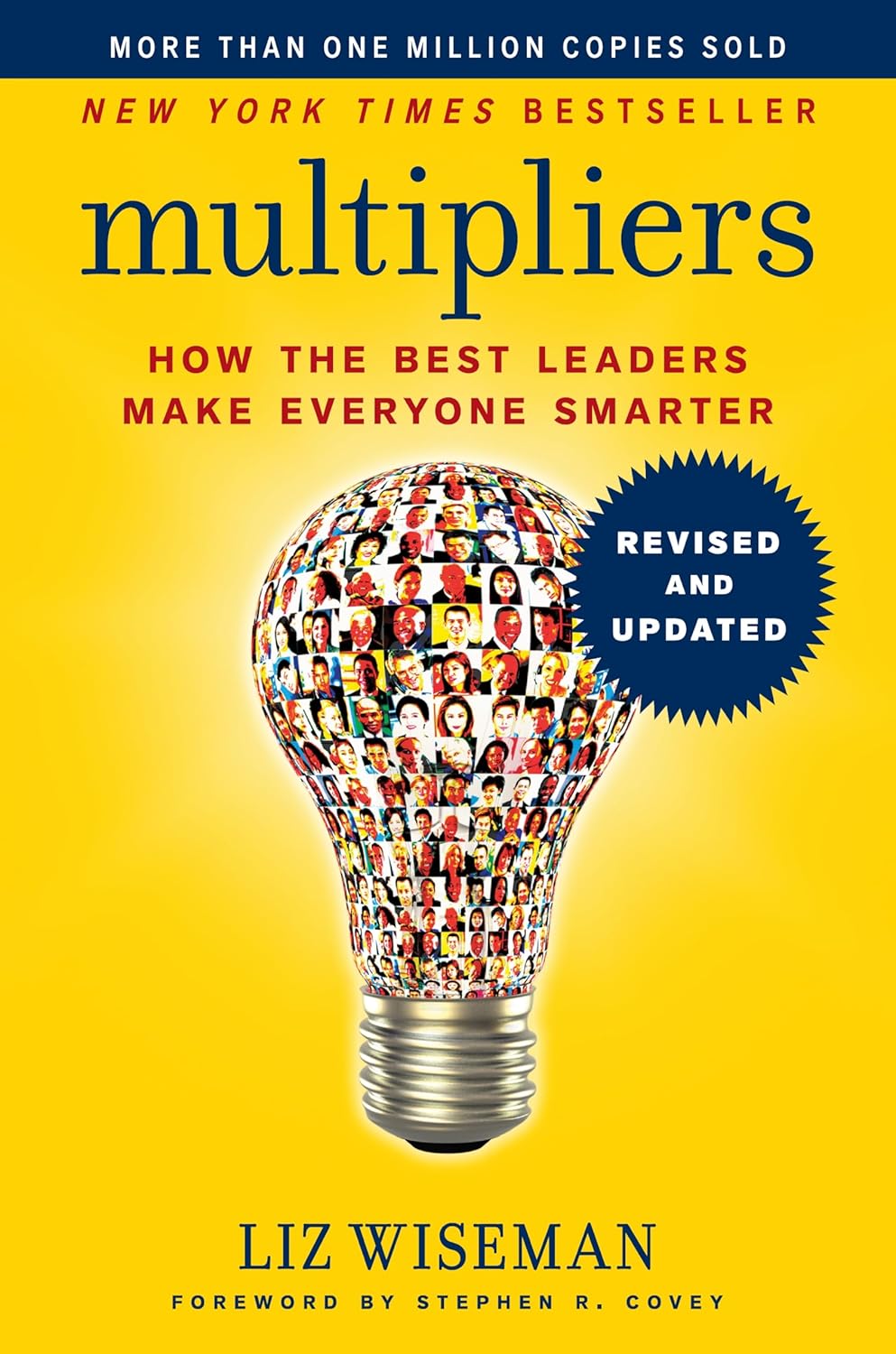
Placeholder cover for Multipliers

Multipliers

Liz Wiseman

What it's about

A study of leaders who amplify the intelligence and capability of the people around them. Liz Wiseman contrasts Multipliers, who create space for others to contribute and grow, with Diminishers, who unintentionally suppress talent and ownership.

What I took from it

This challenged me to notice when helping becomes taking over. My role is not to be the smartest person in every conversation; it is to ask better questions, set useful challenges, and create the conditions for other people to do their strongest thinking.

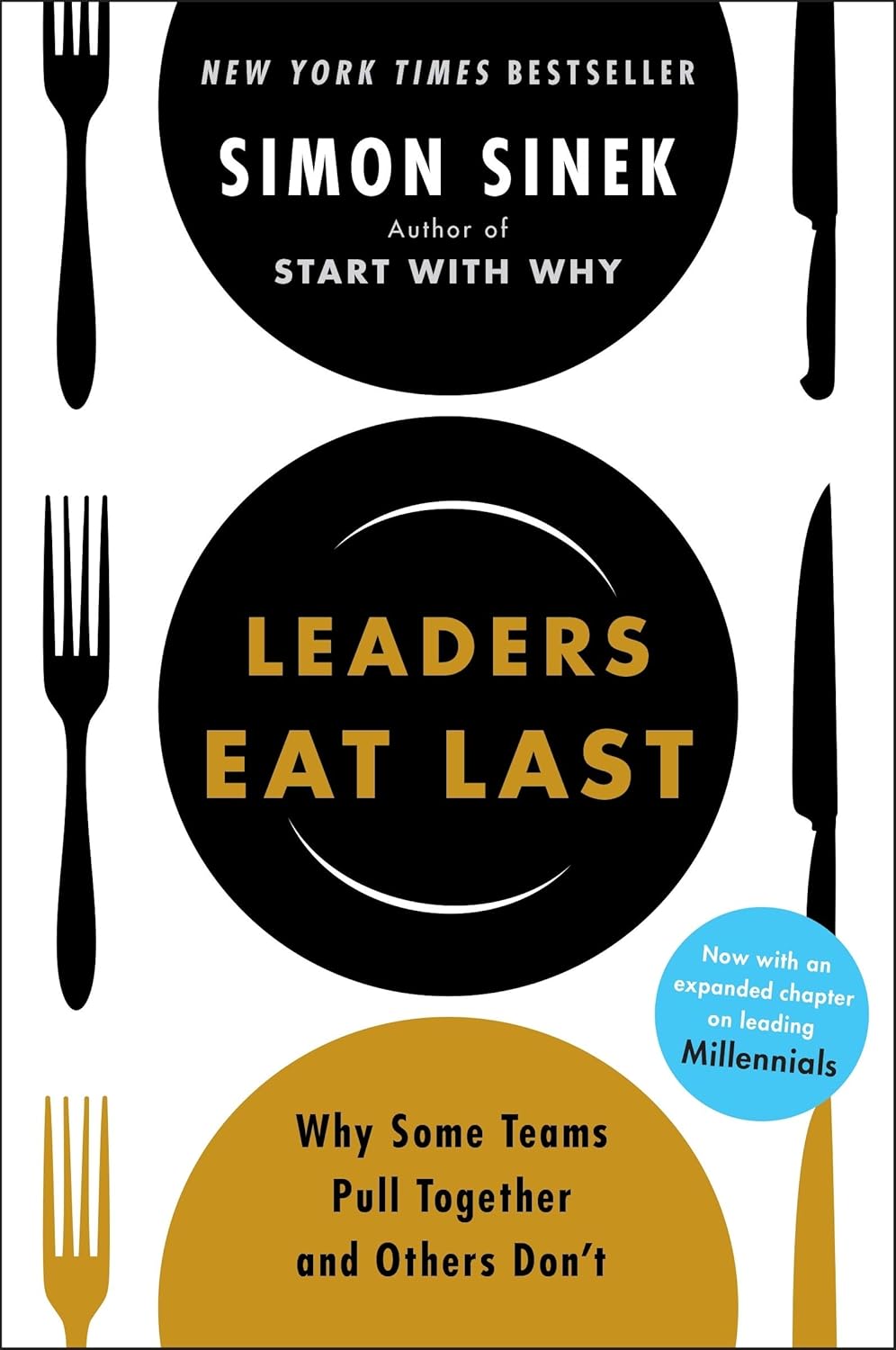
Placeholder cover for Leaders Eat Last

Leaders Eat Last

Simon Sinek

What it's about

An examination of why some teams develop deep trust, cooperation, and resilience while others do not. Simon Sinek argues that leaders create stronger organisations when they prioritise the safety and wellbeing of their people.

What I took from it

It strengthened my view that leadership is a responsibility to the people you lead, particularly when conditions are difficult. Trust grows when leaders absorb uncertainty, share context honestly, and protect teams from avoidable organisational noise without hiding reality from them.

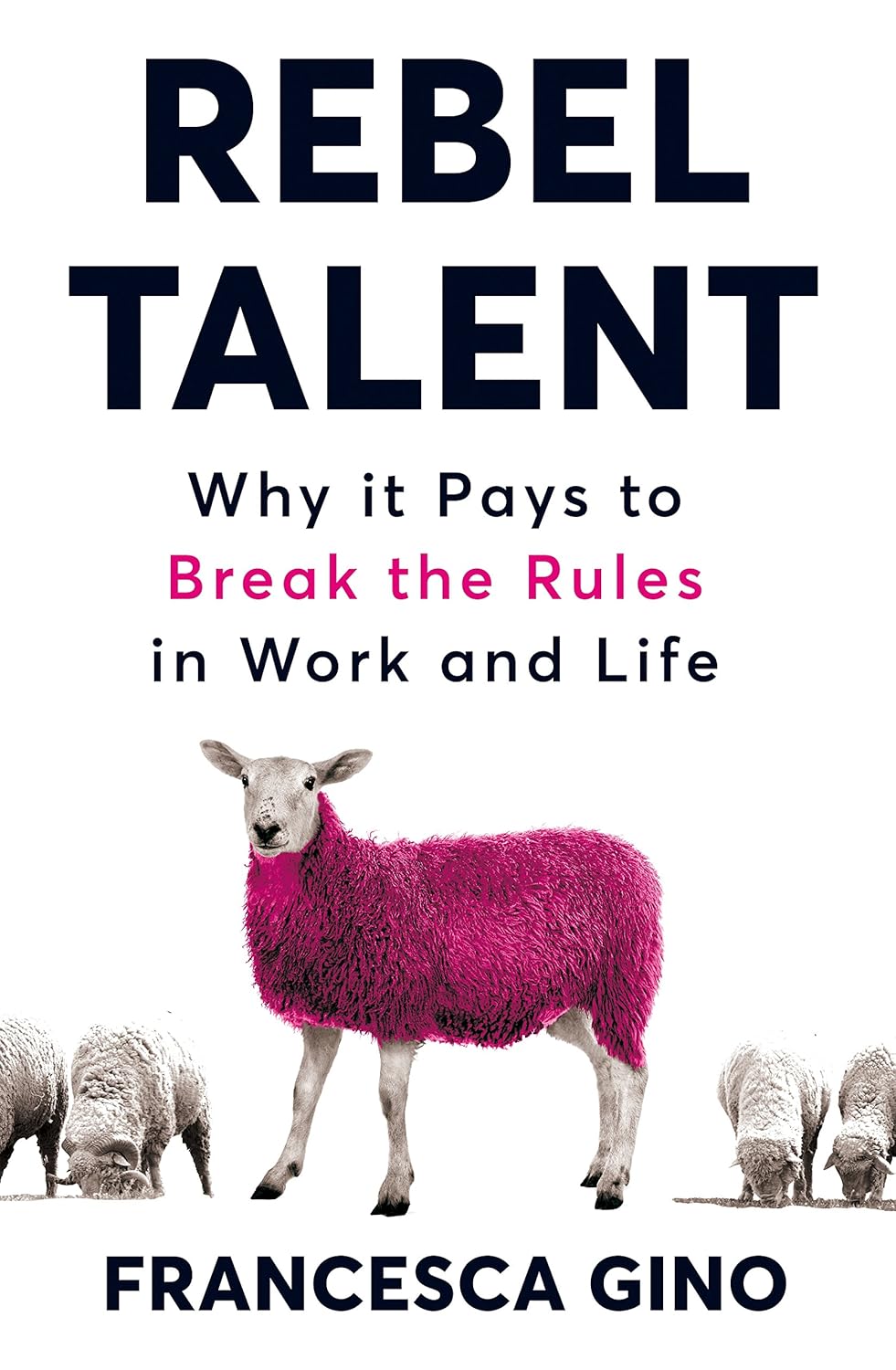
Placeholder cover for Rebel Talent

Rebel Talent

Francesca Gino

What it's about

A research-led look at constructive nonconformity and why successful people and organisations benefit from curiosity, authenticity, experimentation, and a willingness to question convention.

What I took from it

This reinforced that healthy teams need people who are willing to ask why, test assumptions, and offer a different view. The leadership challenge is to make dissent useful: create enough psychological safety for challenge, then connect that energy to evidence, purpose, and meaningful change.

Placeholder cover for Mindset

Mindset

Carol S. Dweck

What it's about

An exploration of how beliefs about ability shape learning, resilience, and achievement. Carol S. Dweck contrasts a fixed mindset, where capability is treated as largely innate, with a growth mindset, where skills can be developed through effort, effective strategies, feedback, and support.

Placeholder cover for Thinking, Fast and Slow

Thinking, Fast and Slow

Daniel Kahneman

What it's about

A wide-ranging examination of judgement and decision-making. Daniel Kahneman describes the interaction between fast, intuitive thinking and slower, deliberate reasoning, while exploring the biases and mental shortcuts that can systematically distort decisions.

Placeholder cover for Action-Centred Leadership

Action-Centred Leadership

John Adair

What it's about

A practical leadership model built around balancing three connected responsibilities: achieving the task, building and maintaining the team, and supporting the needs and development of individuals. John Adair presents leadership as a set of learnable actions rather than a personality trait.

What I took from it

This remains a useful check when leadership attention becomes unbalanced. Delivery matters, but sustained delivery depends on the health of the team and the needs of the individuals within it. Neglecting any one of the three eventually weakens the others.